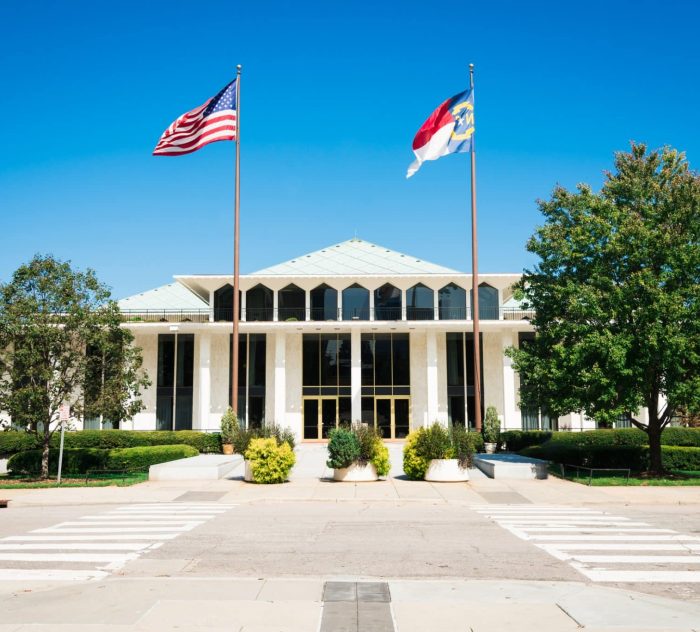
On June 24, 2026, the North Carolina General Assembly voted to override the Governor’s veto of Senate Bill 227 (“SB 227”), enacting sweeping changes to how public schools address diversity, equity, and inclusion (DEI). The law took effect immediately and applies to all K‑12 public school units across the state.
SB 227 is part of a broader legislative effort to eliminate DEI initiatives across public education, higher education, and state agencies.
Key Changes
SB 227 imposes several significant restrictions on public school operations, curriculum, and training, including:
- Elimination of DEI Programs and Offices. The law prohibits public school units from maintaining DEI offices, divisions, or staff positions devoted to promoting DEI initiatives. Schools are required to dismantle these structures and discontinue related programming.
- Ban on Teaching “Divisive Concepts.” Public school units are not allowed to instruct on “divisive concepts.” The list of 12 defined concepts includes the ideas that one race or sex is inherently superior to another; an individual is inherently racist, sexist, or oppressive solely by virtue of race or sex; and individuals bear responsibility for historical conduct of others of the same race or sex.
- Restrictions on Training and Professional Development. Public school units may not provide or require professional development, training, or instructional materials that include or advocate for the prohibited concepts. The State Board of Education is likewise barred from approving or supporting such training.
- Prohibition on Compelled Beliefs. Students, teachers, and staff cannot be required to affirm, adopt, or profess belief in any of the prohibited concepts.
SB 227 was enacted alongside related legislation targeting DEI initiatives in other sectors, namely Senate Bill 558, which applies similar restrictions to public higher education, and House Bill 171, which restricts DEI efforts in state and local government. Together, these measures reflect a comprehensive statewide policy shift regarding DEI in publicly funded institutions.
Practical Implications for Schools
Since SB 227 became effective immediately, public school units should take prompt steps to evaluate and align their practices with the new law.
Public school units should:
- Conduct an audit of existing DEI programs, offices, and staff roles
- Review curriculum and instructional materials for compliance with the “divisive concepts” prohibition
- Suspend or revise professional development programs that may fall within the law’s scope
- Update board policies, employee conduct rules, and student codes of conduct as needed
- Assess third-party vendors and consultants providing training or curricular resources
The scope of the new law presents several compliance challenges. The vague language leads to issues distinguishing between permissible historical instruction and instruction deemed to “promote” a prohibited concept; determining how classroom discussions and student-led dialogue may be interpreted under the law; and navigating potential First Amendment considerations and evolving legal challenges.
Key Takeaways
SB 227 represents a significant shift in North Carolina education law, requiring public school units to reevaluate longstanding programs, training, and curriculum frameworks. The law’s immediate effective date and broad scope create a heightened need for careful compliance review and ongoing monitoring.
Our education law team is available to provide guidance to public school units and education stakeholders. Please reach out to the Poyner Spruill Education Law group with any questions.