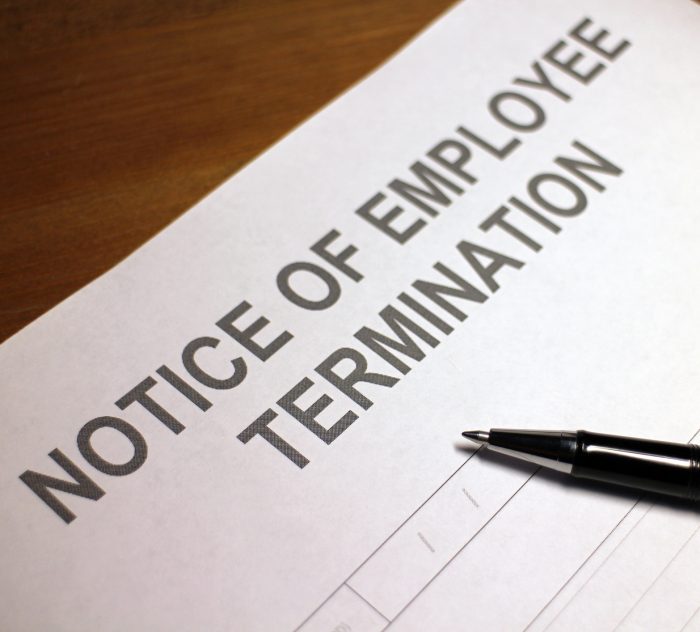
Early 2026 layoffs have been dominating headlines with major employers announcing significant workforce reductions affecting thousands of U.S. employees. Last week, Disney cut approximately 1,000 jobs across multiple divisions as part of a restructuring effort. Disney joins companies such as Amazon, UPS, Meta, Nike, and Dell who have collectively cut tens of thousands of jobs as businesses are responding to economic pressures and technological changes, including the rise of artificial intelligence and its impact on employee productivity and business operations.
These reductions, often implemented in phases, implicate critical compliance considerations under the federal Worker Adjustment and Retraining Notification (WARN) Act and analogous state laws. Employers considering or implementing reductions in force should carefully evaluate WARN obligations, particularly in situations involving staggered layoffs, to ensure that they are not running afoul of federal and state requirements.
Federal WARN Triggers and Aggregated Layoffs
With limited exception, employers are generally subject to the federal WARN Act if they employ 100 or more employees. The WARN Act broadly requires 60 days’ advance written notice for a “plant closing” or “mass layoff.” A mass layoff is a reduction in force triggered when employment loss at a single site of employment affects either: (1) 50 or more employees comprising at least 33% of the workforce or (2) 500 or more employees.
Importantly, under the WARN Act, employers must look at both the 90-day period before and after any employment loss to identify other reductions that have occurred or are planned. When reductions are staggered within these 90‑day windows, employers must determine whether each layoff stems from a separate and distinct cause or whether they are all part of a single, unified plan. If the layoffs share a singular purpose, such as responding to the same financial downturn, restructuring effort, or loss of a major contract, they must be considered together when applying WARN thresholds. As a result, rolling layoffs tied to the same underlying event may trigger WARN requirements even if each individual round of reductions, viewed alone, falls below the statutory threshold.
Employers should ensure that they are documenting the business rationale for each reduction and should carefully assess whether each instance truly arises from independent circumstances.
State Mini-WARN Laws and Remote Workers
Employers should also confirm whether their organization is subject to additional requirements under a state mini-WARN Act. Analogous state statutes often expand on federal requirements, lowering thresholds and increasing obligations. Key differences may include:
- Lower employee thresholds.
- Longer notice periods.
- Broader definitions of covered employment losses, including relocations or reductions in hours.
- Fewer or narrower exceptions.
As one example, California’s mini-WARN law applies to employers with 75 or more employees and covers layoffs affecting 50 or more employees, without the one-third workforce requirement. Additionally, New York mini-WARN law requires 90 days’ notice and applies to layoffs impacting as few as 25 employees if they constitute a significant percentage of the workforce.
Because the applicability of state mini-WARN laws often depends on where employees are physically located rather than where the employer is based, employers should take proactive steps to mitigate risk by maintaining accurate, up-to-date records of employee work locations, which should include employees working under remote and hybrid arrangements.
Conclusion
Advance planning is the most effective way to reduce compliance risk and WARN exposure. Employers considering workforce reductions should coordinate with counsel early to assess all applicable threshold, timing, and notice requirements. If you have questions about WARN compliance or need assistance preparing for a reduction in force, the employment attorneys at Poyner Spruill are available to assist.