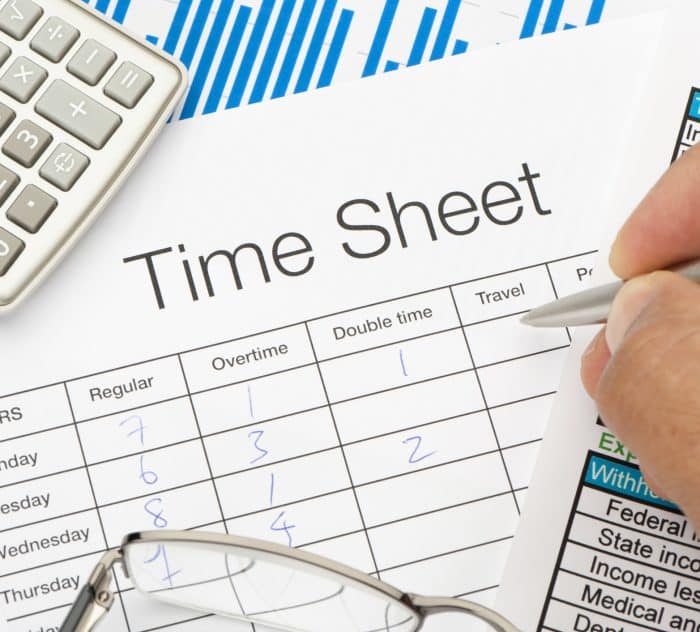
In North Carolina, employers are required to pay promised wages and benefits, including required overtime, to their employees. The promised wage must be at least the North Carolina minimum wage, which is currently $7.25 per hour. Employers, however, are permitted to pay a lower minimum hourly wage rate for tipped employees, youth workers, and trainees. Under state law, local governments are not permitted to require private employers to pay a higher minimum wage.
Under state law, employers are not required to provide vacation pay, paid sick leave, paid holidays, or jury duty pay, which are known as wage benefits (“wage benefits”). Once an employer has made a promise, however, it is then required to pay all promised wages, which includes wage benefits (“promised wages”), accruing to its employees based on any policy, agreement, or practice that the employer has established. Per N.C.G.S. 95-25.13(2) of the North Carolina Wage and Hour Act (“NCWHA”), an employer is also required to: “Make available to its employees, in writing or through a posted notice in a place accessible to its employees, employment practices and policies with regard to promised wages.”
Under the NCWHA, promised wage benefits are considered to be wages. As a result, if an employee believes that he or she has not been paid a promised wage or wage benefit, he or she can file a complaint with the NCDOL. The employee can also file a lawsuit against his or her employer. For more information regarding promised wages and wage benefits, please see guidance provided by the NCDOL.
The members of the firm’s employment and benefits section are happy to assist clients with wage and hour and other issues.